Interior Design Styles Explained: Modern, Boho, Scandinavian, and Traditional — Which Is Right for You?
Interior Design Styles Explained
Modern, Boho, Scandinavian, Traditional, Industrial, and Organic Modern — what they actually look like, feel like, and who they’re right for.
The 6 Dominant Interior Styles of 2026
Each style has a core philosophy — understand that philosophy and the specific choices follow naturally.
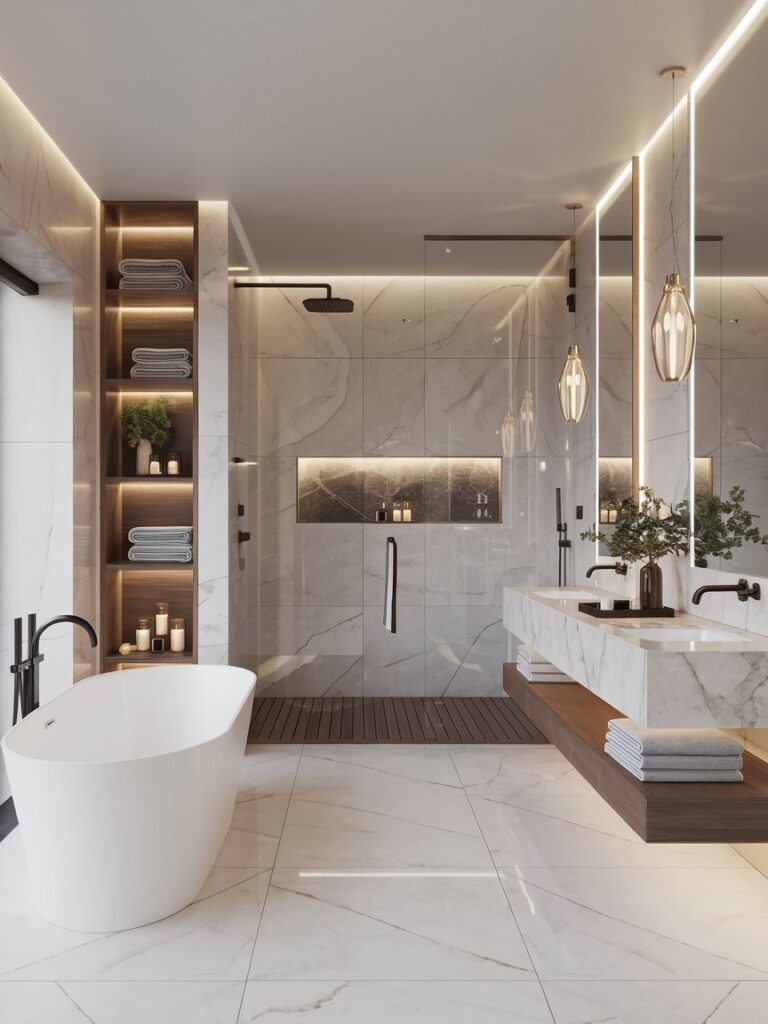
Modern / Contemporary
Philosophy: Form follows function. No decoration without purpose.
Signature Elements
- Neutral palette (white, grey, black)
- Smooth, flat surfaces
- Geometric shapes
- Hidden storage
- Statement art — singular, large
Best For
- People who hate clutter
- City apartments with clean architecture
- Those who entertain formally
- Minimal-maintenance lifestyles
“If it doesn’t serve a function, it doesn’t belong in the room.”
Bohemian (Boho)
Philosophy: Layered, eclectic, personal. Life is the art.
Signature Elements
- Macramé, woven wall hangings
- Layered rugs and textiles
- Mixed patterns and prints
- Lots of plants
- Global-inspired objects, travel souvenirs
Best For
- Creatives and collectors
- Those who hate matching furniture
- Plant lovers
- Renters who want personality
“More of what you love. Less of what you don’t. Rules are optional.”
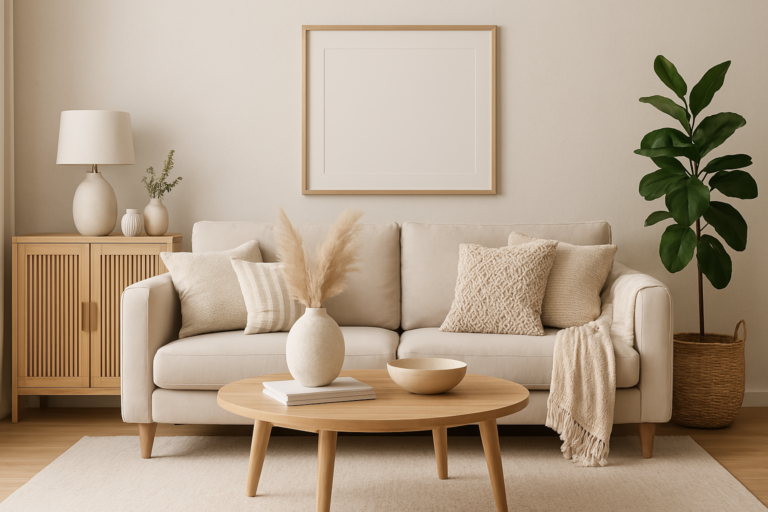
Scandinavian
Philosophy: Hygge. Warmth, simplicity, function, and light.
Signature Elements
- White and light grey walls
- Light natural wood (pine, birch, ash)
- Functional, beautiful furniture
- Candles and warm lighting
- Simple textiles (wool, linen)
Best For
- Those who want calm and order
- Smaller spaces (it reads as larger)
- Families who need function
- People who live in low-light climates
“Beauty in the everyday. Every object should bring joy or serve a purpose.”
Traditional
Philosophy: Timeless comfort and symmetry. Classic over trendy.
Signature Elements
- Symmetrical furniture arrangements
- Rich, warm colors (burgundy, navy, forest green)
- Upholstered furniture with rolled arms
- Architectural millwork (crown molding, wainscoting)
- Oil paintings, antique accessories
Best For
- Those who value heritage and permanence
- Formal homes and entertaining spaces
- People who prefer investing in classics
- Older homes with original architecture
“Good taste never goes out of style. Buy quality once; keep it forever.”
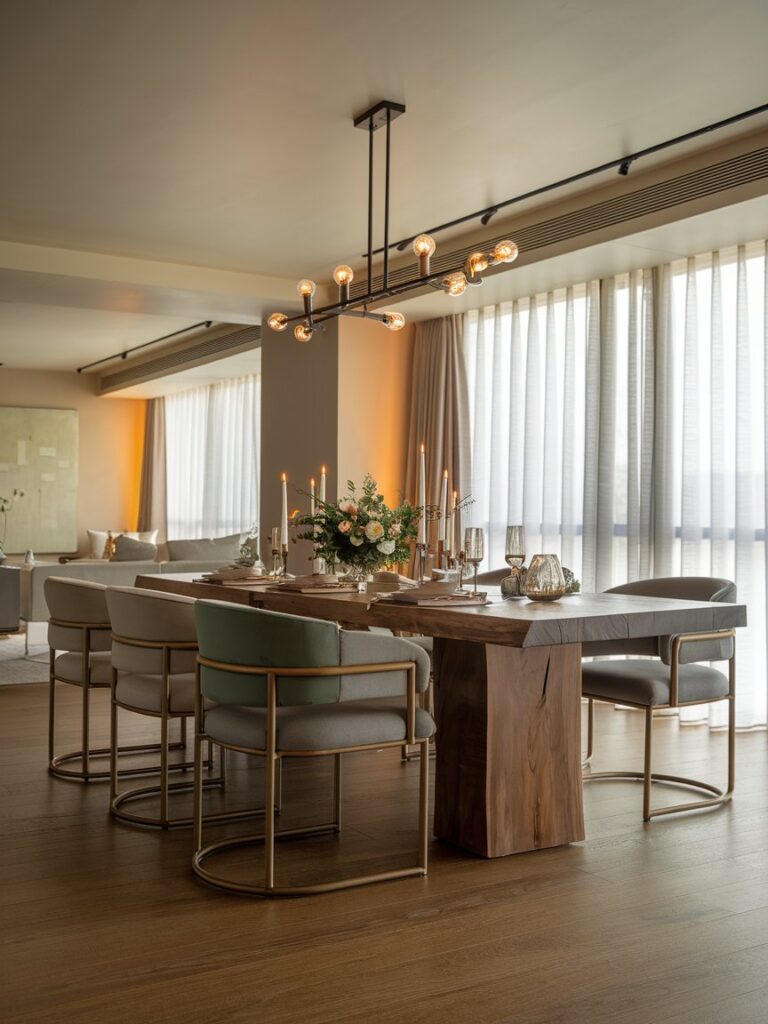
Industrial
Philosophy: Raw materiality. Beauty in the unfinished and the structural.
Signature Elements
- Exposed brick, concrete, metal
- Reclaimed wood
- Dark, matte metal fixtures
- Open shelving with visible brackets
- Edison bulb lighting
Best For
- Urban lofts and warehouse conversions
- Those who prefer masculine, raw aesthetics
- People who like DIY and reclaimed materials
“The bones of the building are the decor. Don’t cover them up.”
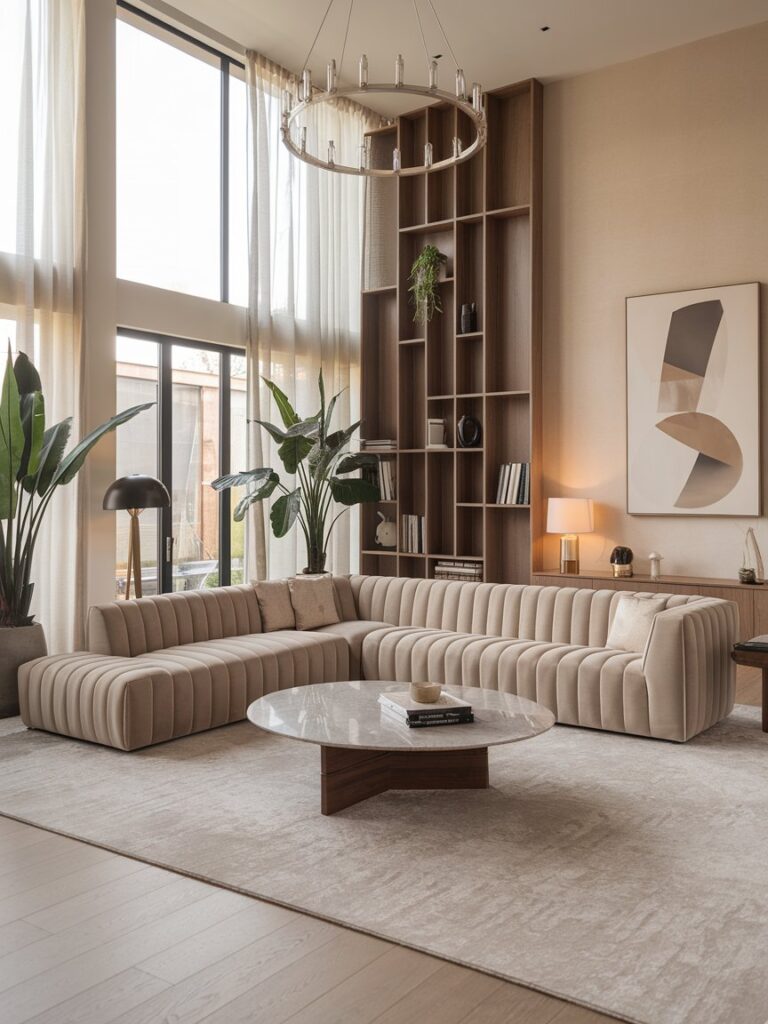
Organic Modern
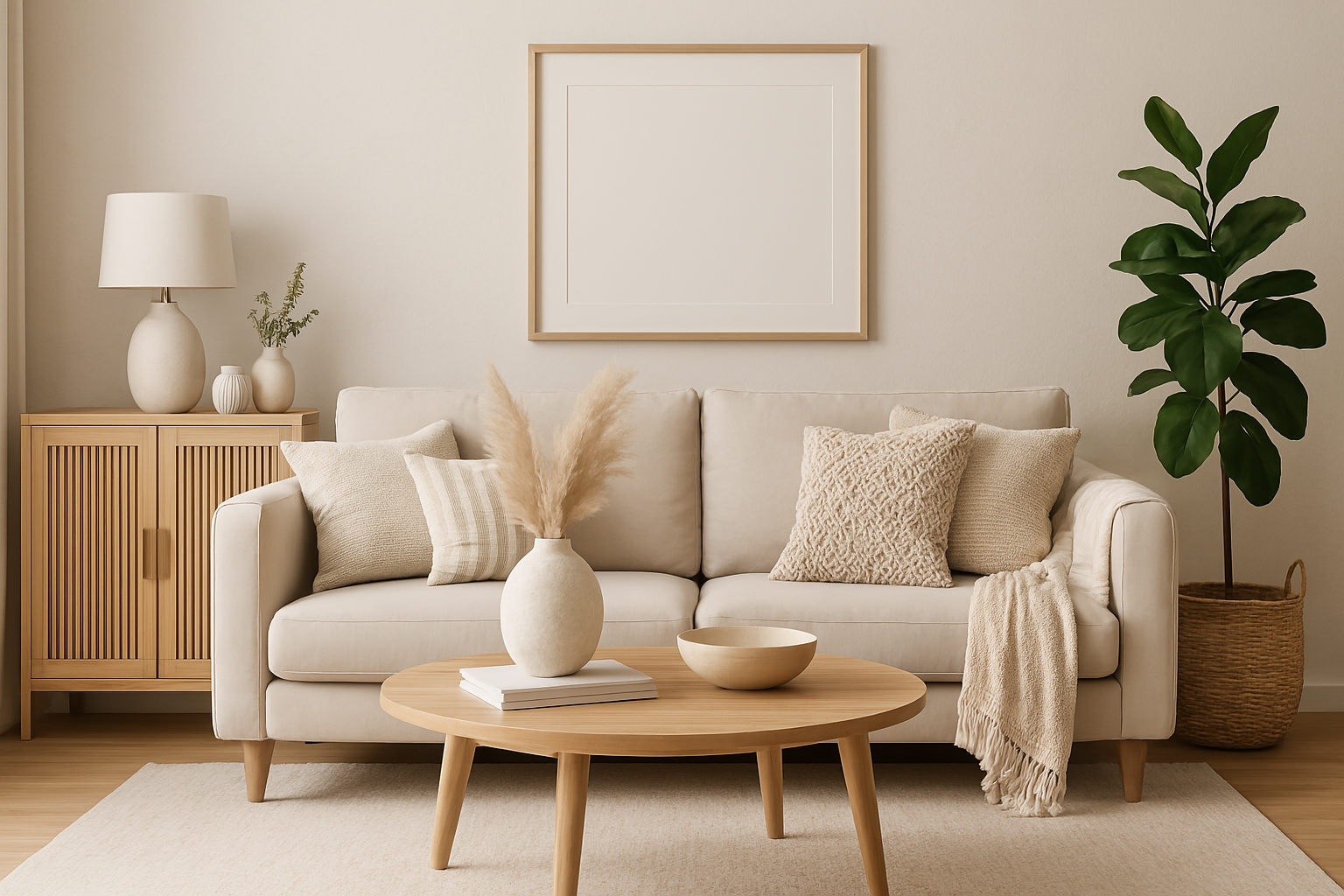
Philosophy: The 2026 dominant aesthetic. Clean lines + natural warmth.
Signature Elements
- Curved, organic furniture shapes
- Natural materials (wood, linen, stone, rattan)
- Warm neutrals + earthy tones
- Living plants throughout
- Artisan ceramics and handmade objects
Best For
- Almost everyone — the most universal style
- People leaving minimalism but not going maximalist
- Families who want warmth + order
- Any size space, any architecture
“Bring nature in. Keep things simple. Make every material count.”
The best interiors borrow from multiple styles. The most common combinations: Scandinavian + Boho (clean structure + eclectic warmth), Modern + Traditional (“Transitional”), and Organic Modern + Industrial (warm materials + raw structure). The rule: let one style dominate at 70%, and borrow from a second at 30%. Don’t mix three.
Quick Style Comparison
Side-by-side so you can see what each style demands.
| Style | Color Range | Key Material | Clutter Tolerance | Effort Level |
|---|---|---|---|---|
| Modern | Neutral: white, grey, black | Glass, steel, concrete | None — zero clutter | High maintenance |
| Bohemian | Warm, rich, varied | Textiles, rattan, plants | High — curated eclecticism | Low maintenance |
| Scandinavian | White, light grey, natural | Light wood, wool, linen | Low — intentional only | Medium |
| Traditional | Rich: navy, burgundy, green | Wood, velvet, brass | Medium — curated collections | High |
| Industrial | Dark: charcoal, rust, brown | Metal, reclaimed wood | Low — minimalist | Medium |
| Organic Modern | Warm neutrals + earth tones | Natural wood, linen, stone | Low-medium | Low–Medium |