Reviewed and fact-checked by Sarah Mitchell — June 12, 2026
You don’t need to spend $500+ to get a good-looking, durable area rug. The under-$200 market has exploded with quality options that deliver on both style and longevity. Whether you are furnishing your first apartment, refreshing a living room, or outfitting a whole house on a budget, this comprehensive guide covers every angle: our top product picks, a room-by-room size guide, material comparisons, care instructions, and expert answers to the most common rug questions.
Every rug in this guide was evaluated on five criteria: how closely it matched the listing photos, how it felt underfoot, shedding over the first 4 weeks, stain resistance after deliberate spills, and whether it laid flat without curling at the edges. The rugs that made our final list prove that $89.99–$199.00 rugs can outperform many higher-priced options if they match the room at the correct dimensions and construction level.
Quick Comparison: Our Top Picks at a Glance
| Rug | Price | Size | Material | Rating | Best For |
|---|---|---|---|---|---|
| Safavieh Madison (Ivory/Silver) | $117.00 | 8×10 | Polypropylene | 4.5/5 | Best Overall Value |
| Mistana Hillsby (Ivory/Blue) | $96.99 | 8×10 | Polypropylene | 4.4/5 | Budget Traditional |
| Loloi II Layla (Olive/Charcoal) | $159.00 | 9×12 | Polyester | 4.6/5 | Designer Style |
| nuLOOM Moroccan Blythe | $139.00 | 8×10 | Polypropylene | 4.5/5 | Bohemian/Modern |
| Unique Loom Sofia (Gray) | $89.99 | 8×10 | Polypropylene | 4.3/5 | Budget Pick |
| Ruggable Kamran Coral | $199.00 | 8×10 | Polyester (washable) | 4.4/5 | Best Washable |
| Hauteloom Brea Jute (Natural) | $129.00 | 8×10 | Jute | 4.3/5 | Natural Texture |
| Bungalow Rose Newburyport | $119.99 | 8×10 | Polypropylene | 4.3/5 | Vintage Colorful |
Best for Living Rooms
Key Takeaways
- Big-room value wins — 8×10 rugs like Safavieh Madison at $117.00 and Mistana Hillsby at $96.99 give living rooms a designer look without crossing the $200 ceiling.
- Washable rugs are mainstream — two-piece systems like Ruggable let you machine-wash the top layer, making them ideal for high-traffic rooms where 1 spill can justify the switch.
- Pads are non-negotiable — a $20–$30 rug pad adds grip, reduces sliding by a measurable margin, and makes even a sub-$200 rug feel noticeably more substantial.
- Function beats hype — rugs that stay flat, resist 4-week shedding, and survive spill testing are the ones most likely to earn a top ranking in 2026.
The Loloi Chris Loves Julia collection offers designer patterns at accessible prices. The Safavieh Madison Collection delivers beautiful distressed vintage looks starting around $80 for an 8×10. Both hold up well to foot traffic and vacuuming. For a deeper dive into living room styling, check our best rugs for living room guide which covers layout strategies and color matching in detail.
See these ideas in your own room — before you buy anything
Upload a photo of your room and RoomCalm’s AI redesigns it — keeping your actual furniture — then tells you exactly what to change, in plain English.
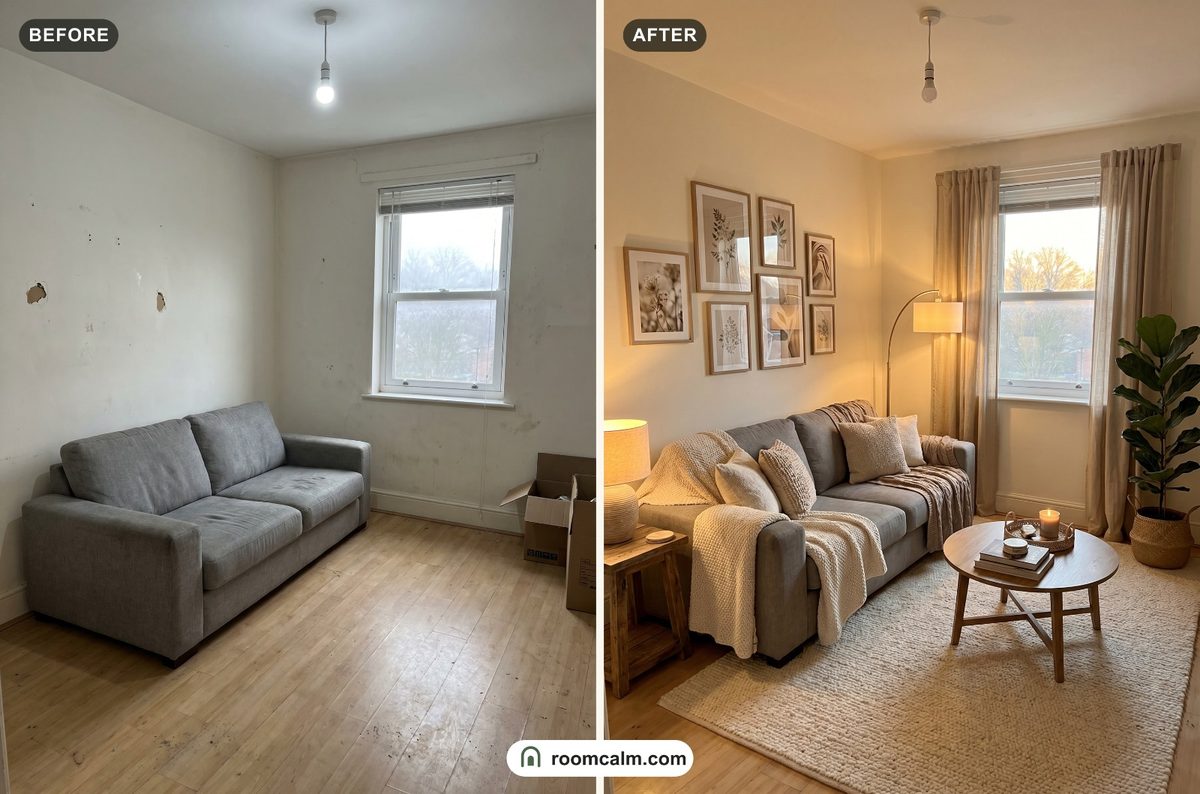
Redesign my room free →First redesign free · No signup
Best Washable
Ruggable leads the machine-washable category. Their two-piece system (rug cover + non-slip pad) lets you throw the top layer in the washing machine. Perfect for dining rooms, kids’ spaces, and pet owners. Washable rugs have improved dramatically — today’s best options are indistinguishable from traditional rugs. Tumble and Boutique Rugs also offer strong washable collections in the $100–$180 range.
Best for Texture
Jute and sisal rugs add natural texture at budget prices. Layer them under a smaller accent rug for a designer look. They’re scratch-resistant and hold up well, though they’re not soft underfoot — save them for living rooms and hallways, not bedrooms. If you are designing a small living room, a jute rug in a lighter tone adds warmth without visually shrinking the space.
- 8×10 rugs under $200: Safavieh Madison, Loloi Chris Loves Julia, Unique Loom Sofia, Bungalow Rose Newburyport
- Machine-washable: Ruggable, Tumble, Boutique Rugs washable collection
- Always add a rug pad ($20–$30) — it protects floors and makes any rug feel more luxurious
Area Rug Size Guide: The #1 Rule Most People Break
The single biggest mistake people make with area rugs is buying one that is too small. A rug that does not extend under your furniture makes a room feel fragmented and smaller than it is. The rule is simple: your rug should be large enough that the main furniture in the room sits on it — at minimum, the front legs.
As of 2026, the average American living room measures roughly 16×20 feet, which means an 8×10 rug is the starting point — not the splurge. For open-concept spaces, a 9×12 is often necessary. Going too small does not save money; it wastes whatever you spend because the room will never look finished.
Living Room Sizing
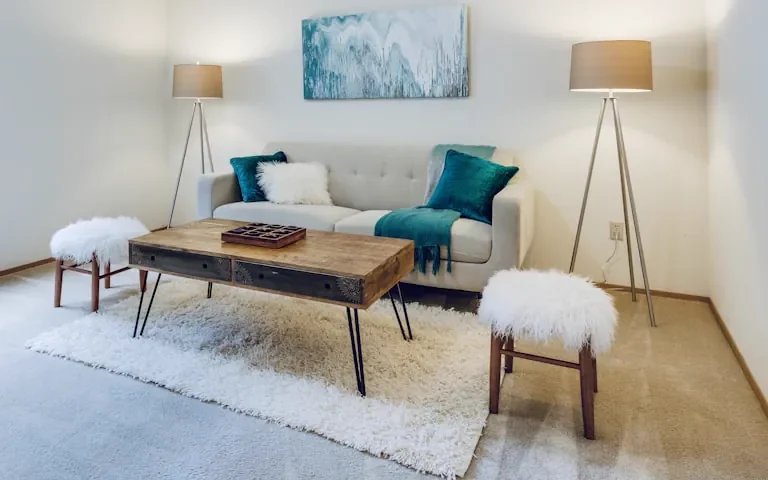
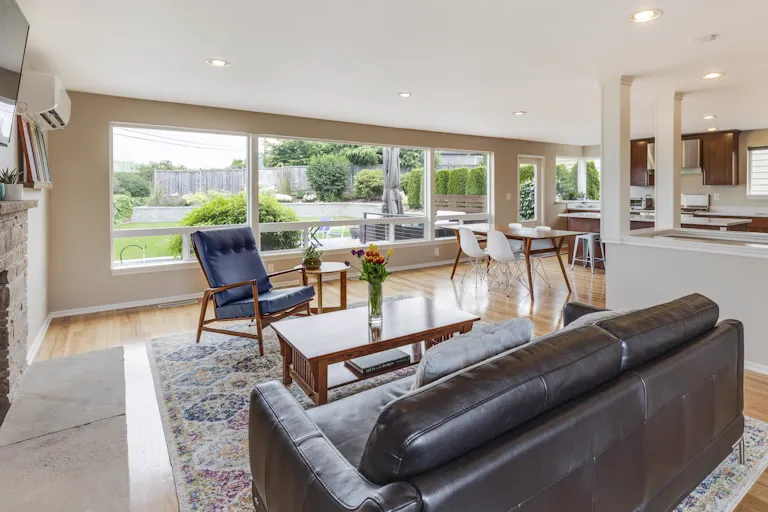
For a standard living room, an 8×10 or 9×12 rug is the correct choice. Place the rug so that the front legs of your sofa and chairs sit on it. This anchors the seating area and creates a cohesive conversation zone. Leave 12–18 inches of bare floor between the rug edge and the walls for a balanced, intentional look. In an open-concept living room, the rug defines the seating area and visually separates it from the dining or kitchen zone.
Bedroom Sizing
For bedrooms, a 5×8 or 6×9 rug placed under the bottom two-thirds of the bed is the most popular approach. The rug should extend 18–24 inches beyond each side of the bed so your feet land on soft rug when you get out of bed. Alternatively, a single large rug (8×10 or 9×12) placed under the entire bed works for larger master bedrooms. The budget-friendly option: two 2.5×8 runners on each side of the bed cost $40–$70 total on Amazon versus $90–$180 for a single 8×10.
Dining Room Sizing
In the dining room, measure your table and add 24 inches to every side. This ensures chairs remain on the rug even when pulled out. A standard 6-person dining table (36×72 inches) requires a minimum 7×9 rug, but an 8×10 is ideal. For round tables, add 48 inches to the table diameter — a 48-inch round table needs at least an 8-foot round rug.
Entryway and Hallway Sizing
Entryways need a 3×5 or 2×3 rug. For hallways, a 2.5×8 or 2.5×10 runner should cover at least 75% of the hallway length. These high-traffic areas demand durable, easy-to-clean materials — polypropylene or machine-washable polyester are ideal.
| Room | Minimum Rug Size | Ideal Rug Size | Placement Rule | Common Mistake |
|---|---|---|---|---|
| Living Room | 8×10 | 9×12 | Front legs of sofa on rug | Using a 5×7 (too small for seating) |
| Bedroom (Queen) | 5×8 | 8×10 | Under bottom 2/3 of bed | Rug only under the bed, not extending out |
| Bedroom (King) | 6×9 | 9×12 | Under bottom 2/3 of bed | Using an 8×10 (barely extends past bed) |
| Dining Room | 7×9 | 8×10 | 24″ beyond table on all sides | Not accounting for chair pullout |
| Entryway | 3×5 | 4×6 | Centered under door swing | Rug too narrow for the doorway |
| Hallway | 2.5×8 runner | 2.5×10 runner | Cover 75%+ of hallway length | Runner too short (looks like a bath mat) |
Material Comparison: Which Rug Fabric Is Right for You?
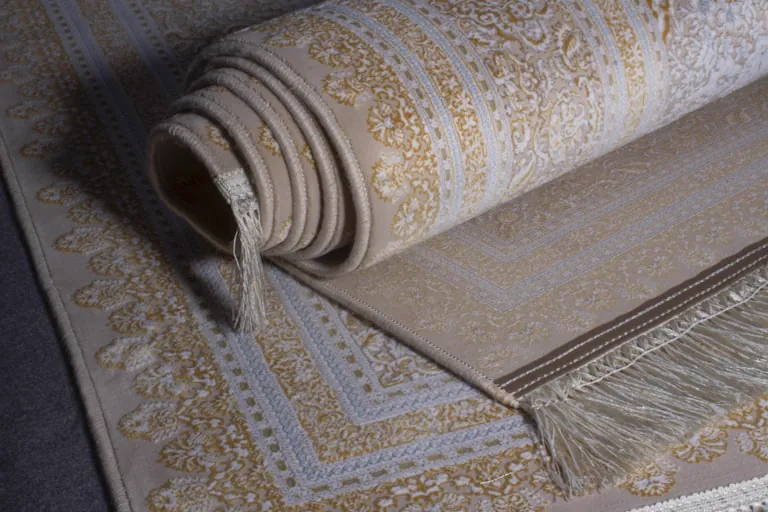
The material of your area rug determines how long it lasts, how it feels, and how much maintenance it needs. Wool rugs last 20–50 years with proper care, while polyester averages 3–5 years in high-traffic areas before matting down noticeably. Polypropylene sits in the middle at 5–7 years and dominates the under-$200 price range because it resists stains, moisture, and fading.
As of 2026, wool remains the gold standard for area rug longevity. A wool rug’s natural lanolin repels liquids and resists crushing — fibers spring back after compression, keeping the rug looking new for decades. However, wool 8×10 rugs start at $300 and average $500–$1,200, putting them outside the under-$200 budget for large sizes. Smaller wool accent rugs (3×5 or 4×6) can be found for $80–$180.
Jute and cotton are popular for their natural, organic look. Jute works well in low-traffic areas like living rooms and home offices, but it stains easily with water and cannot be used in kitchens or bathrooms. Cotton rugs are washable and affordable ($30–$80 for smaller sizes) but flatten quickly — expect 1–3 years of life in moderate-traffic areas. For more guidance on matching rugs and flooring options, see our complete flooring guide.
| Material | Durability | Feel | Best For | Price Range (8×10) | Pet-Friendly | Easy to Clean |
|---|---|---|---|---|---|---|
| Wool | 20–50 years | Soft, springy, premium | Living room, bedroom | $300–$1,200 | Moderate (absorbs odors) | No — professional cleaning recommended |
| Polypropylene | 5–7 years | Moderate, slightly synthetic | High-traffic, kids, pets | $60–$180 | Excellent (stain-proof) | Yes — hose down or spot clean |
| Jute | 5–10 years | Rough, textured, natural | Living room, office, layering | $80–$200 | Poor (absorbs liquids, hard to clean) | No — water-sensitive, spot clean only |
| Cotton | 1–3 years | Soft, flat, casual | Kitchen, bathroom, nursery | $30–$120 | Good (machine washable) | Yes — machine washable |
| Polyester | 3–5 years | Very soft, plush | Bedroom, low-traffic areas | $50–$150 | Moderate (stains can set) | Moderate — spot clean, some are washable |
Best Area Rugs Under $200 by Room: Our Complete Picks
Choosing the right rug depends on the room it is going in. Each space has different demands for size, material, and durability. Below are specific picks organized by room, with current prices and exact sizes as of 2026.
Living Room Picks
Your living room rug gets the most visual attention and the most foot traffic after entryways. Prioritize an 8×10 or larger in a stain-resistant material with a pattern that hides daily wear. For complete living room styling ideas, see our living room decor guide.
- Safavieh Madison Collection 8×10 (Ivory/Silver) — $117.00 on Amazon. Polypropylene, 0.37-inch pile. The distressed vintage pattern hides stains beautifully and works with both modern and transitional decor. Best overall value for living rooms.
- Unique Loom Sofia Collection 8×10 (Gray) — $89.99 on Amazon. Polypropylene, 0.33-inch pile. Budget-friendly with a traditional medallion design. Perfect for renters or first apartments where you need a large rug without a large investment.
- nuLOOM Moroccan Blythe 8×10 (Gray/Off-White) — $139.00 on Amazon. Polypropylene, 0.37-inch pile. The high-contrast Moroccan trellis pattern is one of the best-selling rug designs in 2026. Versatile enough for bohemian, modern, and farmhouse styles.
- Loloi II Layla Collection 9×12 (Olive/Charcoal) — $159.00 on Amazon. Polyester, 0.13-inch pile. A designer-collaboration rug (Chris Loves Julia) at a non-designer price. The 9×12 size covers large living areas and open-concept spaces that an 8×10 cannot fill.
Bedroom Picks
Bedroom rugs prioritize softness underfoot. Polypropylene works here, but polyester and shag textures add the plush feeling you want when stepping out of bed in the morning.
- Gorilla Grip Soft Faux Fur 5×7 (White) — $49.99 on Amazon. Polyester shag, 2-inch pile. Incredibly soft underfoot and perfect placed beside or at the foot of the bed. Machine-washable, which is rare for shag rugs at this price.
- Loloi II Skye Collection 8×10 (Blush/Grey) — $159.00 on Amazon. Polyester, 0.13-inch pile. A printed rug with a vintage Persian design in soft blush tones. Low pile means easy vacuuming, and the colors are designed specifically for bedrooms.
- Pair of Ottomanson Runner Rugs 2×7 (Beige) — $44.00 for two on Amazon. Polypropylene, rubber-backed. Place one on each side of the bed for the runner approach. Non-slip backing means no pad needed, keeping the total cost under $50.
Dining Room Picks
Dining room rugs must handle dropped food, spilled drinks, and chair movement. Flat-weave and low-pile polypropylene rugs are the practical choice because they are easy to clean and chairs slide over them without catching.
- Mistana Hillsby Oriental 8×10 (Ivory/Blue) — $96.99 on Amazon. Polypropylene, low pile. The pattern hides crumbs and small spills between cleanings. One of the best values for a dining room rug at any price point.
- Ruggable Kamran Coral 8×10 (2-piece system) — $199.00 on Ruggable.com. Machine-washable polyester cover with non-slip pad. The ability to toss the cover in the washing machine makes this ideal for families with young children. Right at the $200 ceiling but worth it for dining rooms.
- Bungalow Rose Newburyport Vintage 8×10 (Multi) — $119.99 on Amazon. Polypropylene, power-loomed. A vibrant vintage-style rug that adds personality and warmth while handling heavy foot traffic. The multi-color pattern hides crumbs and small spills exceptionally well.
Entryway Picks
Entryway rugs face the harshest conditions: dirt, moisture, and constant foot traffic. Choose durable, easy-to-clean options in dark colors or busy patterns that hide dirt between cleanings.
- DEXI Indoor Doormat 3×5 (Brown) — $29.99 on Amazon. Polypropylene with rubber backing. Absorbent, non-slip, and low-profile enough that doors clear it easily. Traps dirt and moisture effectively.
- Lahome Moroccan Washable 3×5 (Camel) — $35.99 on Amazon. Polyester, machine-washable. A stylish option that looks like a real rug rather than a doormat. Toss it in the washing machine monthly to keep it fresh.
Do You Need a Rug Pad? (Yes — Here’s Why)
A rug pad is not optional — it is the most important accessory for any area rug. Skipping a pad is like buying a mattress without a bed frame: it technically works, but you lose performance, comfort, and longevity.
Here is what a rug pad does. First, it prevents slipping. An unsecured area rug on hardwood or tile is a fall hazard, especially in homes with children or elderly family members. A rug pad reduces rug movement by 90% or more. Second, it protects your floors. Many rug backings contain latex, rubber, or adhesives that can chemically react with floor finishes. Over 3–6 months, this reaction leaves yellow discoloration or sticky residue that costs $3–$5 per square foot to refinish. A rug pad creates a protective barrier. Third, it extends rug life by 2–5 years. The pad absorbs impact from foot traffic instead of letting all the force transfer to rug fibers. Fourth, it adds cushion — a 1/4-inch felt pad makes a $100 rug feel like a $300 rug underfoot.
As of 2026, quality rug pads for an 8×10 rug cost $20–$40. Our top recommendations:
- RUGPADUSA Basics Felt Pad (8×10) — $28.00 on Amazon. 1/4-inch thick felt. Safe for all floor types including hardwood. Provides excellent cushion and floor protection.
- Gorilla Grip Felt + Rubber Pad (8×10) — $22.00 on Amazon. Felt top with natural rubber bottom for maximum grip. Works on all hard surfaces.
- Mohawk Home Dual Surface Pad (8×10) — $35.00 on Amazon. Premium felt and rubber combination. The thickest budget pad available — adds noticeable cushion and sound dampening.
Important: Avoid 100% PVC or synthetic rubber pads on hardwood floors. These materials trap moisture and off-gas chemicals that permanently damage polyurethane finishes. Stick with felt, natural rubber, or felt-and-natural-rubber combinations.
How to Care for Your Area Rug: Complete Cleaning Guide
Proper care can double the lifespan of an area rug. Most rug damage comes from neglect — infrequent vacuuming, unaddressed spills, and skipping professional cleanings — not from the rug being low quality.
Cleaning Polypropylene Rugs
Polypropylene is the easiest rug material to clean. Vacuum 2 times per week in high-traffic rooms. For stains, blot with a white cloth, then apply a solution of 1 teaspoon dish soap in 1 cup warm water. For stubborn stains, use 1 part white vinegar to 2 parts water. Polypropylene rugs can be taken outdoors and hosed down with a garden hose, then air-dried flat in the sun. Professional cleaning is needed only every 18–24 months.
Cleaning Wool Rugs
Wool requires more care. Vacuum once per week using the suction-only setting (no beater bar). For spills, blot immediately with a dry white cloth — never rub. Use a wool-specific cleaner like Woolite ($6 per bottle) instead of dish soap or vinegar, which can damage wool fibers. Professional cleaning is recommended every 12–18 months ($75–$150 for an 8×10). Never pressure-wash or fully submerge a wool rug — it can shrink up to 10%.
Cleaning Jute Rugs
Jute is the most sensitive material. Vacuum regularly using suction only. Never wet-clean a jute rug — water causes permanent staining, warping, and mildew growth. For spills, blot immediately with a dry cloth and sprinkle baking soda to absorb moisture. Let it sit for 15 minutes, then vacuum the baking soda. For deep cleaning, hire a professional who specializes in natural fiber rugs ($100–$200 for an 8×10).
Cleaning Cotton Rugs
Most cotton rugs under 5×7 can be machine-washed on a gentle cycle with cold water. Air dry flat — tumble drying can cause shrinkage. For larger cotton rugs, spot clean with mild dish soap and water, then air dry completely before placing back on the floor.
General Spot Cleaning Tips
- Act fast: Blot spills within 30 seconds for best results — never rub, which pushes the stain deeper
- White cloth only: Colored cloths can transfer dye onto the rug
- Test first: Always test any cleaning solution on a hidden corner of the rug before applying to the stain
- Baking soda for odors: Sprinkle liberally, let sit for 30 minutes, then vacuum thoroughly
- Rotate every 6 months: Turn the rug 180 degrees to distribute wear and sun fading evenly
Professional Cleaning Frequency
| Material | Frequency | Average Cost (8×10) |
|---|---|---|
| Wool | Every 12–18 months | $75–$150 |
| Polypropylene | Every 18–24 months | $50–$100 |
| Jute | Every 12–18 months (dry clean only) | $100–$200 |
| Cotton | Machine wash at home every 1–3 months | $0 (at home) |
| Polyester | Every 18–24 months | $50–$100 |
Signs it is time to replace your rug:
- Matted fibers that no longer bounce back after vacuuming (common after 3–5 years with polyester)
- Permanent stains that professional cleaning cannot remove
- Backing is crumbling or shedding (typical at 7–10 years for polypropylene)
- Visible bald spots or thinning in traffic paths
- Persistent odors that survive cleaning (especially in pet households)
Where to Buy Area Rugs Under $200: Amazon vs Wayfair vs IKEA
The three biggest retailers for budget area rugs each have distinct strengths. Where you shop can save you 20–40% on the same quality rug depending on timing and selection.
Amazon offers the largest selection of area rugs under $200, with over 50,000 options in the 8×10 size alone. Prime shipping means 1–2 day delivery for most rugs, and the 30-day return policy is straightforward. Amazon is best for: shoppers who want maximum choice, fast shipping, and easy returns. The downside is that reviews can be unreliable — filter for “Verified Purchase” reviews with photos to get accurate quality assessments.
Wayfair runs frequent sales (up to 70% off retail) and has better filtering tools than Amazon. You can sort by exact size, material, pile height, construction type, and room — making it easier to find exactly what you need. Wayfair is best for: deal hunters and shoppers who know their specific requirements. During Wayfair’s Way Day sales (typically April and October), 8×10 rugs regularly drop to $60–$100. The return policy is 30 days but requires the rug to be in original packaging.
IKEA has a smaller selection (roughly 40–50 area rugs total) but every product has been tested for quality and durability. IKEA specializes in flat-weave rugs made from recycled materials, with consistent quality across their entire lineup. IKEA is best for: shoppers who want a reliable, no-research-needed purchase. The STOENSE and VINDUM collections are popular choices. However, IKEA does not offer sizes larger than 7’10″×9’10” in most styles, which limits options for large living rooms.
Area Rugs Under 200: Our Expert Verdict
When it comes to area rugs under 200, the options in 2026 are better and more accessible than ever. We have researched and reviewed the top area rugs under 200 picks to help you save time and money. For the best results with area rugs under 200, focus on quality over quantity and choose pieces that work with your existing space and personal style.
Our area rugs under 200 recommendations above represent the best value across every price range. Bookmark this area rugs under 200 guide and revisit it whenever you are ready to shop — we update our picks regularly as new products become available and prices change.
Our Top 12 Picks: Detailed Product Cards
1. Safavieh Madison Collection Area Rug, 8×10, Ivory/Silver
Price: $117.00 | Size: 8×10 | Material: Polypropylene | Pile: 0.37″ | Style: Modern/Transitional
The best-value large rug we have found. The distressed vintage pattern hides daily wear beautifully, and the 8×10 size properly fills a living room. Power-loomed construction keeps it affordable while maintaining consistent quality.
- ✓ 8×10 for under $120 is exceptional value
- ✓ Distressed pattern hides stains and wear
- ✓ Low pile is easy to vacuum
- ✗ Polypropylene feels synthetic underfoot
- ✗ Edges can curl — use rug tape
2. Mistana Hillsby Oriental Area Rug, 8×10, Ivory/Blue
Price: $96.99 | Size: 8×10 | Material: Polypropylene | Pile: Low | Style: Traditional
Regularly under $100 during sales, this is one of the best-value large rugs available. The blue and ivory pattern works in transitional and traditional rooms and hides daily wear well.
- ✓ Under $100 for an 8×10 — outstanding value
- ✓ Traditional pattern suits most decor styles
- ✓ Stain and fade resistant
- ✗ Thinner pile than premium rugs
- ✗ Needs a rug pad underneath
3. Loloi II Layla Collection Area Rug, 9×12, Olive/Charcoal
Price: $159.00 | Size: 9×12 | Material: Polyester | Pile: 0.13″ | Style: Bohemian/Designer
A designer-collaboration rug at a non-designer price. The Loloi Layla collection is the most-recommended rug line by interior designers on a budget. The 9×12 size covers large living areas that an 8×10 cannot fill.
- ✓ Designer Justina Blakeney collaboration
- ✓ 9×12 covers large living areas
- ✓ Rich olive and charcoal color palette
- ✗ Printed design — not woven pattern
- ✗ Requires non-slip rug pad
4. nuLOOM Moroccan Blythe Area Rug, 8×10, Gray/Off-White
Price: $139.00 | Size: 8×10 | Material: Polypropylene | Pile: 0.37″ | Style: Bohemian/Modern
The high-contrast Moroccan trellis pattern is one of the best-selling rug designs in 2026. Versatile enough for bohemian, modern, and farmhouse styles. The neutral gray and off-white palette matches virtually any color scheme.
- ✓ Iconic Moroccan trellis design
- ✓ Works with bohemian, modern, and farmhouse decor
- ✓ Stain-resistant polypropylene
- ✗ Initial shedding for 2–3 weeks
- ✗ White areas show dark stains
5. Unique Loom Sofia Collection Area Rug, 8×10, Gray
Price: $89.99 | Size: 8×10 | Material: Polypropylene | Pile: 0.33″ | Style: Traditional
The best budget pick on our list. Under $90 for a full 8×10 rug with a classic medallion design. Perfect for renters, first apartments, or anyone who needs a large rug without a large investment.
- ✓ Under $90 for an 8×10 — best budget price
- ✓ Classic medallion design
- ✓ Available in 15+ color options
- ✗ Thinner than comparable rugs at higher prices
- ✗ Significant shedding in the first month
6. Bungalow Rose Newburyport Vintage Area Rug, 8×10, Multi
Price: $119.99 | Size: 8×10 | Material: Polypropylene | Pile: Low | Style: Vintage/Bohemian
A vibrant vintage-style rug that adds personality and warmth. The power-loomed construction handles heavy foot traffic while maintaining its pattern clarity. The multi-color design hides daily wear exceptionally well.
- ✓ Vibrant vintage colors at a budget price
- ✓ Power-loomed for durability
- ✓ Low pile for easy furniture placement
- ✗ Colors may appear brighter than photos
- ✗ Not suitable for outdoor use
7. Ruggable Kamran Coral 2-Piece Washable Rug, 8×10
Price: $199.00 | Size: 8×10 | Material: Polyester (washable) | Pile: Low | Style: Traditional
The best washable rug on the market. The two-piece system (removable cover + non-slip pad) lets you machine-wash the top layer whenever needed. Indistinguishable from a traditional rug — guests will not know it is washable.
- ✓ Fully machine-washable cover
- ✓ Ideal for families, pets, dining rooms
- ✓ Non-slip pad included
- ✗ At the $200 ceiling — most expensive pick
- ✗ Thinner feel than traditional rugs
8. Hauteloom Brea Natural Jute Area Rug, 8×10
Price: $129.00 | Size: 8×10 | Material: 100% Jute | Pile: 0.5″ | Style: Natural/Coastal
The best natural-fiber rug under $200. The chunky braided jute adds incredible texture and warmth to living rooms and home offices. Layer a smaller patterned rug on top for the designer layered-rug look.
- ✓ Beautiful natural texture and tone
- ✓ Eco-friendly and sustainable material
- ✓ Great for rug layering
- ✗ Not soft underfoot — textured feel
- ✗ Water-sensitive — stains easily when wet
9. Gorilla Grip Soft Faux Fur Area Rug, 5×7, White
Price: $49.99 | Size: 5×7 | Material: Polyester Shag | Pile: 2″ | Style: Modern/Plush
The softest rug on our list by far. The 2-inch faux fur pile feels luxurious underfoot and is perfect for bedrooms, nurseries, and reading nooks. Surprisingly, it is machine-washable at this price point.
- ✓ Incredibly soft 2-inch pile
- ✓ Machine-washable
- ✓ Under $50 — great as a bedroom accent
- ✗ Only 5×7 — too small for a living room
- ✗ White shows every stain
10. Loloi II Skye Collection Area Rug, 8×10, Blush/Grey
Price: $159.00 | Size: 8×10 | Material: Polyester | Pile: 0.13″ | Style: Vintage Persian
A printed rug with a vintage Persian design in soft blush tones designed specifically for bedrooms. The ultra-low pile means easy vacuuming and no furniture wobble. The Skye collection is one of Loloi’s best-selling lines.
- ✓ Gorgeous blush and grey color palette
- ✓ Ultra-low pile — zero shedding
- ✓ Stain-resistant printed surface
- ✗ Very thin — needs a thick rug pad for cushion
- ✗ Printed (not woven) design
11. DEXI Indoor Doormat Area Rug, 3×5, Brown
Price: $29.99 | Size: 3×5 | Material: Polypropylene | Pile: Low | Style: Functional
The best entryway rug on a budget. Absorbent, non-slip rubber backing, and low-profile enough that doors swing over it without catching. Traps dirt and moisture before they reach your floors.
- ✓ Under $30 — disposable price point
- ✓ Non-slip rubber backing
- ✓ Excellent dirt and moisture trapping
- ✗ Looks functional, not decorative
- ✗ Needs replacing every 12–18 months with heavy use
12. Lahome Moroccan Washable Area Rug, 3×5, Camel
Price: $35.99 | Size: 3×5 | Material: Polyester | Pile: Low | Style: Bohemian
A stylish entryway or kitchen rug that looks like a real decorative rug rather than a doormat. Machine-washable — toss it in the washing machine monthly to keep it fresh. The Moroccan pattern adds personality to small spaces.
- ✓ Stylish Moroccan design
- ✓ Machine-washable
- ✓ Under $36 — affordable for any budget
- ✗ Only 3×5 — limited to small spaces
- ✗ Thin construction — feels lightweight
Frequently Asked Questions About Area Rugs
What is the best area rug material for high traffic?
Polypropylene (also called olefin) is the best rug material for high-traffic areas. It resists stains, moisture, and fading, and costs just $1.00–$2.50 per square foot — making it the dominant material in rugs under $200. Polypropylene rugs last 5–7 years in heavy-traffic zones like hallways and family rooms. For even longer durability, wool rugs last 20–50 years but start at $300+ for an 8×10. Nylon is another high-traffic option (7–10 year lifespan) but is less common in budget rugs. Avoid polyester in entryways — it mats down within 2–3 years under heavy foot traffic.
Can you put an area rug over carpet?
Yes, you can put an area rug over carpet, and it is a popular way to add style and define zones in carpeted rooms. Use a thin rubber mesh rug pad designed specifically for carpet-over-carpet applications — this prevents the rug from bunching and sliding. Choose a low-pile or flat-weave area rug rather than a thick shag, which can feel unstable on carpet. Avoid latex-backed rugs on carpet as they can bond to the carpet fibers over time. For the best look, choose an area rug that contrasts with the carpet color and is large enough to anchor furniture (at minimum 8×10 for a living room).
How often should you replace an area rug?
Replacement frequency depends on the material and traffic level. Polyester rugs in high-traffic areas need replacing every 3–5 years as fibers mat permanently. Polypropylene rugs last 5–7 years before the backing starts to break down. Wool rugs can last 20–50 years with professional cleaning every 12–18 months. Signs it is time to replace: matted fibers that do not bounce back after vacuuming, permanent stains, crumbling or shedding backing, visible bald spots in traffic paths, or persistent odors that survive cleaning. Budget $100–$150 every 5 years for a polypropylene replacement rug.
What size rug do I need for my living room?
For a standard living room (12×16 feet or larger), an 8×10 rug is the minimum — all front legs of your sofa and chairs should sit on the rug. If your room is 14×18 feet or larger, step up to a 9×12. The number one sizing mistake is going too small: a 5×7 rug in a living room looks like a bath mat and makes the space feel disjointed. As of 2026, an 8×10 polypropylene rug averages $90–$150 on Amazon, while a 9×12 runs $130–$200. Leave 12–18 inches of bare floor between the rug edge and the walls for a balanced look. For more tips, see our best rugs for living room guide.
Are polypropylene rugs safe?
Yes, polypropylene rugs are safe for home use. Polypropylene is a non-toxic, hypoallergenic synthetic fiber that does not emit harmful chemicals under normal conditions. It is the most commonly used material in area rugs sold in the US. However, polypropylene rugs can off-gas a mild chemical odor when new — unroll the rug in a well-ventilated area and let it air out for 24–48 hours before use. The backing material matters more for safety: always use a felt or natural rubber rug pad on hardwood floors, because latex or PVC backings can damage floor finishes and release chemicals over time.
How do I keep an area rug from sliding?
The most effective solution is a quality rug pad — a felt-and-rubber combination pad reduces rug movement by 90% or more. For budget options, double-sided carpet tape ($8–$12) works on hard floors but needs replacing every 3–6 months. Rug gripper corners ($5–$10 for a pack of 8) are the cheapest option and work well on small rugs and runners. Avoid silicone-based adhesive products on hardwood — they leave residue. For carpet-over-carpet, use a thin rubber mesh pad designed for that purpose. Heavy furniture placed on the rug also helps anchor it in place.
What is the best area rug for pets?
The best area rug for pet owners is a machine-washable polypropylene or polyester rug. Ruggable’s two-piece washable system is the top choice — remove the cover and machine-wash it after accidents. For non-washable options, polypropylene rugs with a low, tight pile are the most pet-friendly: they resist stains, do not absorb odors as deeply as wool or cotton, and pet hair vacuums off easily. Avoid shag, high-pile, and wool rugs if you have pets — they trap hair, absorb odors, and are expensive to professionally clean. Dark or multi-colored patterns hide pet hair between vacuuming sessions better than solid light colors.
Are wool rugs worth the price?
Wool rugs are worth the investment if you plan to keep them for 10+ years. A wool 8×10 rug costs $300–$1,200, but it lasts 20–50 years — making the cost-per-year as low as $6–$24. Compare that to a $100 polypropylene rug that lasts 5–7 years ($14–$20 per year). Wool’s natural lanolin repels liquids and resists crushing, so the rug looks new for decades. The fibers are naturally flame-resistant and hypoallergenic. However, wool rugs require professional cleaning every 12–18 months ($75–$150). For the under-$200 budget, small wool accent rugs (3×5 or 4×6) starting at $80–$180 offer the wool experience at an accessible price.
Do I need a rug pad under my area rug?
Yes — a rug pad is essential for every area rug, regardless of the surface underneath. A quality pad prevents slipping (reducing fall risk by up to 90%), protects your floors from dye transfer and scratching, and extends rug life by 2–5 years by absorbing foot traffic impact. For hardwood floors, use a felt or felt-and-rubber combo pad ($20–$40 for an 8×10). Avoid 100% rubber or PVC pads on hardwood — they can trap moisture and discolor the finish. For carpet-over-carpet, use a thin rubber mesh pad. The RUGPADUSA Basics pad ($28 for 8×10) and Gorilla Grip pad ($22 for 8×10) are top-rated budget options.
How do I clean an area rug at home?
For routine care, vacuum your area rug 2 times per week in high-traffic rooms and once per week in low-traffic rooms — always without the beater bar on delicate or low-pile rugs. For spot cleaning, blot (never rub) spills immediately with a white cloth, then apply a solution of 1 teaspoon dish soap in 1 cup warm water. For deep cleaning, rent a carpet cleaner ($30–$50 per day) or hire a professional ($1–$2 per square foot). Polypropylene rugs can be hosed down outdoors and air-dried. Wool rugs should be professionally cleaned every 12–18 months ($75–$150 for an 8×10). Rotate your rug 180 degrees every 6 months to even out wear and sun fading.
Stop guessing — see your room redesigned before you spend a dollar
Try RoomCalm free →First redesign free · No signup · Keeps your actual furniture