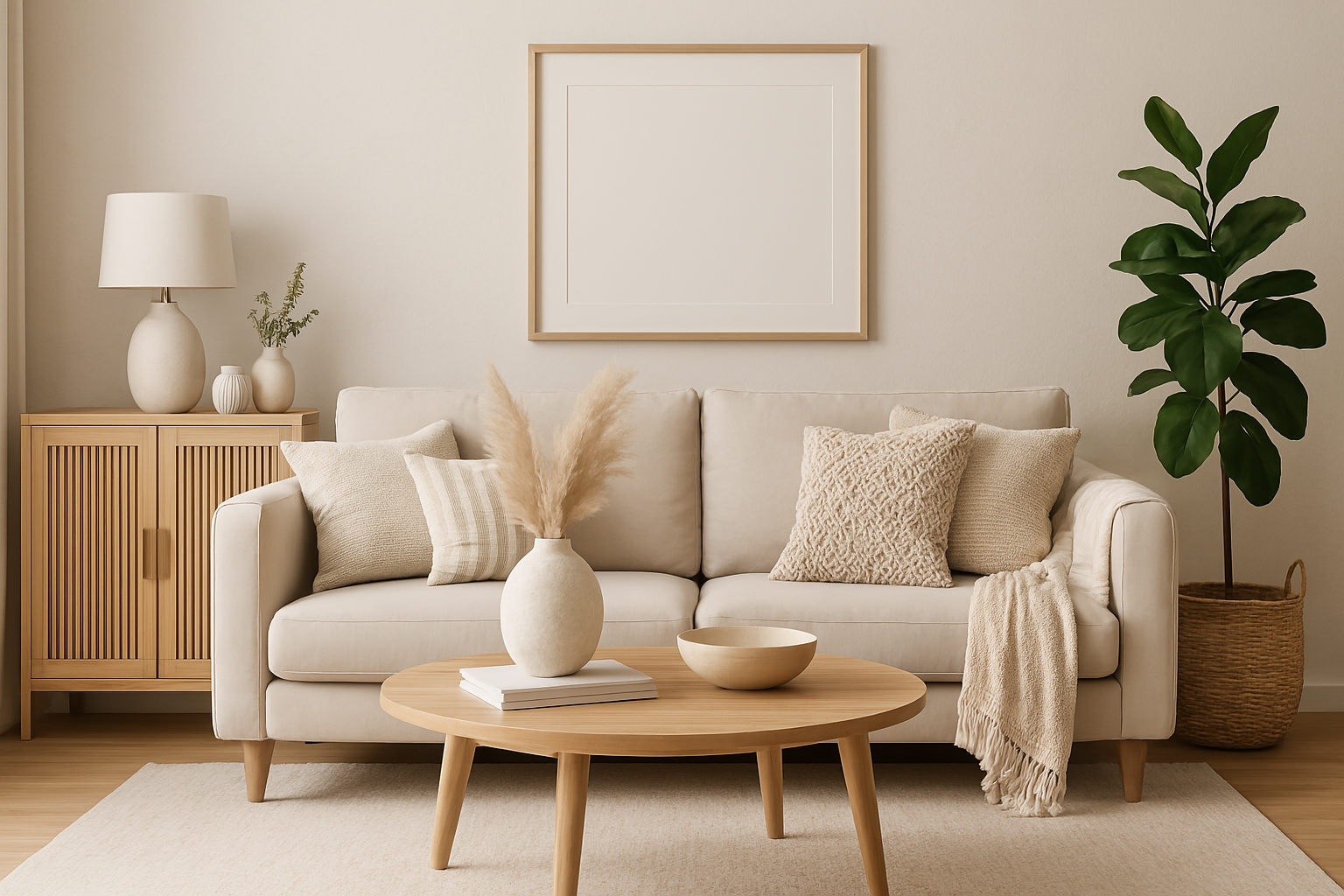
How to Choose a Color Palette for Your Home: A Room-by-Room Guide
How to Choose a Color Palette for Your Home
The exact method interior designers use to build a whole-home palette — and how to apply it room by room without painting something you’ll hate in six months.
The 6-Step Designer Method
How professionals build a cohesive whole-home palette — and how you can apply it yourself.
- 01Start with one anchor piece, not a paint chip
Don’t start at the paint store. Start with something you already love and can’t change: a sofa, a rug, a piece of art, a tile. Every color in your home should be pulled from or complement that anchor. This is how designers prevent rooms from feeling disconnected.
- 02Build a 60-30-10 ratio
60% dominant color (walls, large furniture), 30% secondary color (secondary furniture, textiles), 10% accent color (pillows, art, accessories). This ratio creates visual balance without making a room feel flat or chaotic.
- 03Choose warm or cool — then stay on that side
Warm palettes (creams, browns, terracottas, olive greens) feel cozy and grounded. Cool palettes (whites, greys, blues, sage greens) feel clean and calm. Mixing warm and cool tones in the same room without intention creates visual tension. Pick a temperature and commit.
- 04Test paint on a large sample, not a small chip
Paint colors look completely different at 2″×2″ versus on an entire wall. Buy sample pots and paint at least a 12″×12″ swatch on the actual wall. Look at it in morning light, afternoon light, and artificial light. Paint shifts by 2–3 shades between a chip and a wall.
- 05Create flow with a shared undertone
Even if rooms are different colors, they’ll feel connected if they share the same undertone. All warm rooms with yellow or red undertones. All cool rooms with blue or green undertones. This is how open-plan homes look cohesive even when rooms have different wall colors.
- 06Add one neutral wildcard — a dark or dramatic color
Every palette needs a dark anchor: a deep navy, forest green, charcoal, or espresso. This is the color that makes lighter tones pop and gives a room depth. Use it on an accent wall, cabinetry, or furniture — not everywhere.
Walk through your home with the door open between rooms. If the transition between colors makes you wince, one of them needs to change. Good color transitions feel like a gradual shift in mood, not a jarring contrast. The safest approach: same undertone throughout, with saturation increasing as you move from public to private spaces.
The Best 2026 Color Palettes
Four curated whole-home palettes that work in 2026.
Warm Earth
Terracotta, cream, warm walnut, sage
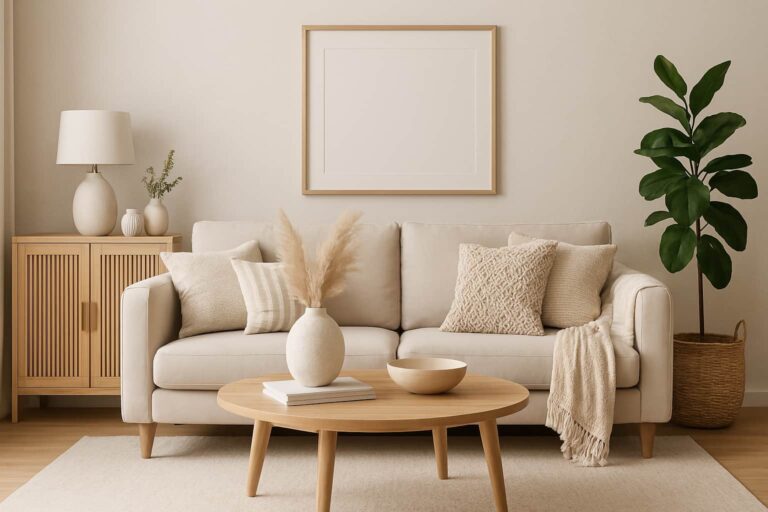
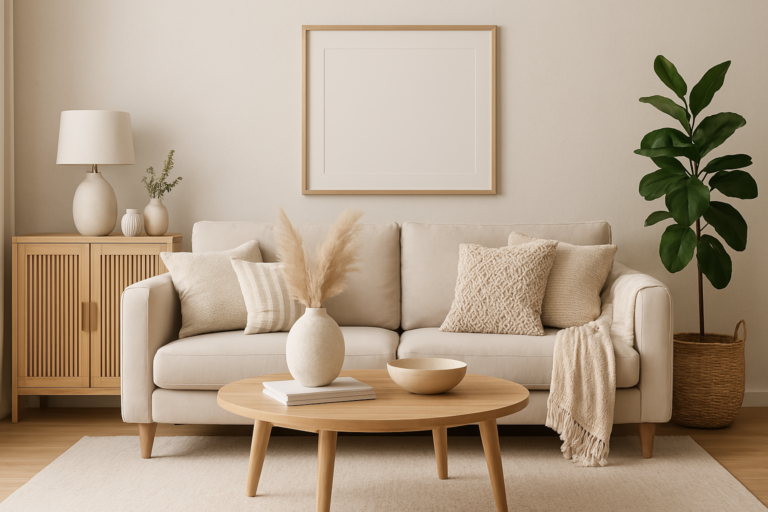
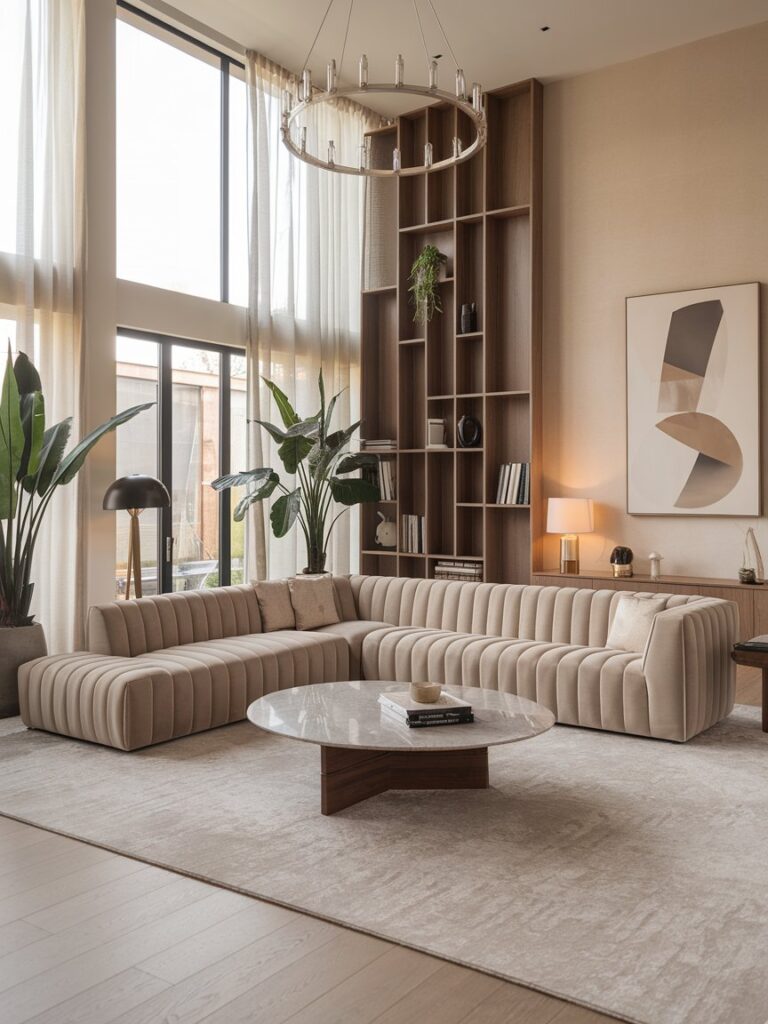
- Living room: warm cream or off-white
- Bedroom: terracotta or deep clay
- Kitchen: sage green cabinets + cream walls
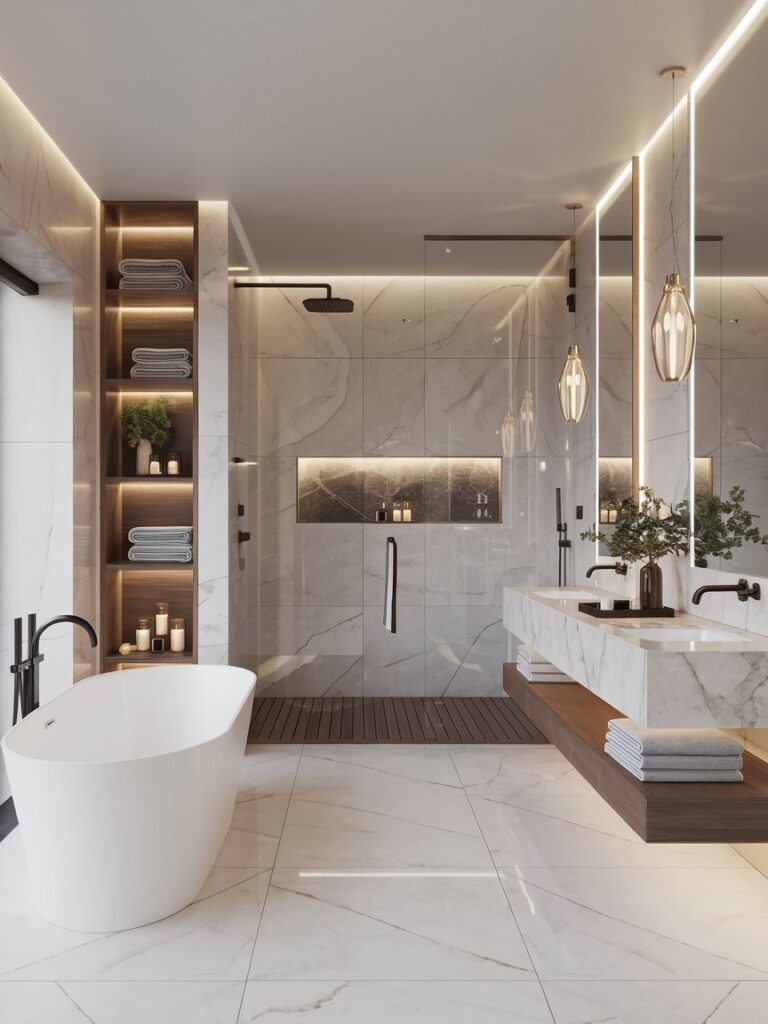
- Bathroom: warm white + walnut accents
- Accent: charcoal espresso
Nordic Cool
White, pale grey, dusty blue, natural wood
- Living room: soft white or pale grey
- Bedroom: dusty blue or misty grey
- Kitchen: white cabinets + light wood
- Bathroom: crisp white + pale stone
- Accent: matte charcoal
Moody Modern
Forest green, navy, warm white, brass
- Living room: warm white + forest green accent wall
- Bedroom: deep navy walls
- Kitchen: dark cabinet + brass hardware
- Bathroom: forest green tile + white
- Accent: aged brass fixtures
Soft Organic
Blush, linen, warm beige, dusty rose
- Living room: warm linen or pale blush
- Bedroom: dusty rose or blush pink
- Kitchen: warm beige + cream
- Bathroom: blush + brushed gold
- Accent: deep espresso brown
Best Color by Room
What actually works in each room, based on light exposure and how the room is used.
| Room | Best Colors | Avoid | Why |
|---|---|---|---|
| Living Room | Warm white, soft greige, sage green | Bright white (too sterile) | High-traffic, needs to feel welcoming |
| Bedroom | Deep blue, forest green, dusty rose, warm grey | Bright yellow, orange | Darker tones lower cortisol, aid sleep |
| Kitchen | Warm white, cream, sage, navy (cabinets) | Cold grey, stark white | Warmth makes food look better |
| Bathroom | Crisp white, pale blue, warm grey, soft green | Dark walls (shrinks space) | Needs to feel clean and fresh |
| Home Office | Blue-grey, green, warm white | Red, bright orange | Cool tones improve focus; red raises anxiety |
| Dining Room | Terracotta, deep red, forest green, warm navy | Clinical white | Warm/saturated tones stimulate appetite |
| Entryway/Foyer | Deep charcoal, navy, forest green, warm black | Beige (forgettable) | First impression; can handle drama well |
Tools to Help You Choose
Physical and digital tools that make color selection much less terrifying.
Benjamin Moore Color Portfolio Fan Deck
- Real paint chips
- All 3,500+ colors
- Organized by family
- BM colors only
- Not digital
Samplize Peel-and-Stick Paint Samples
- No painting needed
- Repositionable
- 12″×12″ real paint
- Per-sample cost
- Not all brands
The Interior Design Handbook (Frida Ramstedt)
- Color theory chapter
- Room-by-room method
- Visual examples
- Scandinavian bias
- Print book only